
Different Types of Foundation Repair Methods Explained
A foundation crack doesn’t care if you guess wrong about the fix.
It’ll keep widening. Or leaking. Or both. Because foundation repair isn’t about patching symptoms, it’s about stopping what’s causing them. Miss that, and you’re paying twice.
We’ll walk you through and compare the most common foundation repair methods, what each one actually solves, and how to tell if a contractor’s diagnosing the real problem or just selling you what they install.
Common Foundation Repair Methods Compared
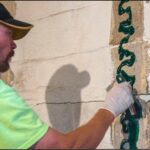
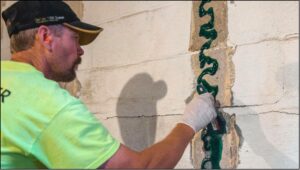
Crack Repair: Epoxy or Polyurethane Injection
What it fixes: Cracks that aren’t getting wider (non-structural) or water leaking through concrete.
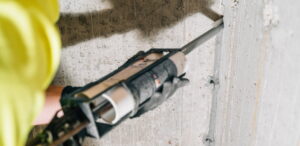
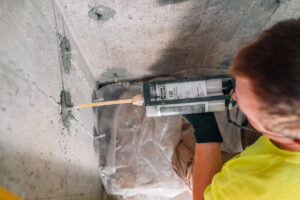
Epoxy bonds concrete back together. Polyurethane stays flexible and seals against water. If your basement wall has a stable crack but water seeps through during heavy rain, polyurethane keeps you dry. If the crack compromises the concrete’s strength, epoxy restores it.
What it doesn’t fix: A crack that’s widening over time. That’s structural movement, and injection won’t stop it.
Foundation Piering
What it fixes: A foundation that’s sinking or settling unevenly.
Steel piers drive down through unstable soil until they hit bedrock or a load-bearing layer. Then they’re hydraulically lifted to bring your foundation back to level. This is the permanent fix for settlement, the kind that closes gaps above doors and stops floors from sloping.
What it doesn’t fix: Drainage problems. If water’s still pooling around your foundation, piering stabilizes the structure but doesn’t address what caused it to sink.
Most jurisdictions require building permits for foundation repairs involving structural alterations like piering systems. The [International Residential Code Chapter 4] governs foundation system modifications and mandates professional engineering involvement for significant structural work.
Helical Piers (Screw Piles)
What it fixes: Foundations in soil conditions where traditional push piers can’t reach stable bearing strata, or for lighter structures like porches and additions.
Helical piers look like large screws. They’re mechanically twisted into the ground rather than hydraulically pushed, which works well in loose or sandy soil where push piers would keep sinking. They can be installed year-round, even in frozen ground, making them practical for Wisconsin’s winter conditions.
What it doesn’t fix: Severely settling foundations with extensive structural damage. These situations often need the greater lifting capacity of steel push piers.
Polyurethane Foam Lifting (Slab Jacking)
What it fixes: Sunken concrete slabs like driveways, garage floors, or basement floors.
Foam injects under the slab, expands, and lifts it back to level. Fast, clean, and you can walk on it the same day.
What it doesn’t fix: Structural foundation walls or deep settlement issues. This is for slabs, not the house itself.
Traditional mudjacking (also called slabjacking) injects a cement-based slurry instead of polyurethane foam. It can be more cost effective, but requires larger injection holes (1.5-2 inches vs. 5/8 inch), takes longer to cure, and adds more weight to already unstable soil. Most contractors will recommend foam for its precision and permanence.
Wall Stabilization: Carbon Fiber or Steel Systems
What it fixes: Basement walls bowing inward from soil pressure.
Carbon fiber straps bond to the wall and prevent further movement. Steel I-beams do the same for more severe bowing. Both keep the wall from collapsing without tearing it out and rebuilding.
What it doesn’t fix: The pressure causing the bow. You still need drainage to stop water from pushing on the wall.
Drainage and Waterproofing
What it fixes: Water intrusion and the hydrostatic pressure that cracks foundations and bows walls.
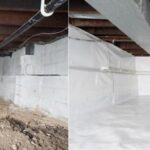
Interior drain tile captures water before it builds pressure. Sump pumps remove it. Exterior waterproofing keeps it from reaching the foundation at all.
French drains, installed 6-8 feet from the foundation at a 1% slope, intercept groundwater before it reaches foundation walls. In Wisconsin’s clay soil, which holds water, French drains combined with proper grading often eliminate the hydrostatic pressure that causes 70% of basement wall problems.
What it doesn’t fix: Existing structural damage. Drainage prevents future problems, but you’ll still need repair work for cracks or bowing that already happened.
Understanding Warranties and Guarantees
Foundation repair warranties vary significantly between contractors. Transferable lifetime warranties on pier systems are standard in the industry, but verify these cover both materials and workmanship. Most reputable contractors warranty piering against further settlement, while crack injection warranties typically cover the seal against water intrusion for 5-10 years. Always request warranty terms in writing before work begins.
How Pros Diagnose the Right Solution
According to the American Society of Civil Engineers’ residential foundation guidelines, proper diagnosis requires site-specific soil analysis. Walk a foundation contractor through your basement and they’re checking:
- Soil type. Clay expands and contracts with moisture. Sand shifts. Each behaves differently under your foundation.
- Drainage patterns. Where does water go when it rains? Is it pooling near the foundation?
- Crack behavior. Static or growing? Horizontal, vertical, or stepped? Each pattern points to a different cause.
- Foundation type. Poured concrete, block, slab-on-grade. They fail differently.
A contractor who recommends a solution in five minutes without asking these questions, won’t have the full picture.
Foundation evaluations follow guidelines established by the American Society of Civil Engineers (ASCE). The Texas Section ASCE Guidelines for the Evaluation and Repair of Residential Foundations provide industry standards for diagnostic methodology, even though Wisconsin contractors adapt these principles to local soil conditions.
For severe settlement (deflection ratios exceeding L/360, roughly 1 inch per 30 feet), most building departments require a structural engineer’s report before issuing repair permits. Engineers provide unbiased assessment of foundation damage severity and recommend appropriate solutions. While this adds to project costs, it ensures repairs address root causes rather than just symptoms.
Why “Just Fix the Crack” Doesn’t Work
Sealing a crack stops water today. If poor drainage caused the crack, it’ll reappear next spring. If soil settlement caused it, the foundation’s still sinking.
The repair that lasts addresses both the damage and what caused it. Otherwise you’re paying twice.
Foundation repairs involving structural alterations, including piering systems, steel beams, or helical anchors, require building permits in most Wisconsin municipalities. Permit requirements ensure repairs meet current building codes and provide documentation for future home sales. Contractors working without proper permits expose homeowners to code violations, repair warranty issues, and complications when selling.
When to Act: Timing Your Foundation Repair
Not all foundation issues require immediate action, but knowing when to move quickly protects your home’s structural integrity.
Act within weeks:
- Horizontal cracks wider than 1/4 inch in basement walls
- Walls bowing inward more than 2 inches
- New cracks appearing rapidly (weeks, not months)
- Active water intrusion during rain
Plan repairs within months:
- Vertical hairline cracks (under 1/4 inch) that aren’t growing
- Doors and windows sticking progressively worse
- Floors sloping noticeably (1% grade or more)
- Multiple foundation settlement indicators appearing
Monitor and assess annually:
- Stable hairline cracks present for years
- Minor cosmetic settling cracks in drywall
- Existing repairs performing as expected
Foundation problems worsen gradually, not overnight. Document changes with photos and measurements every few months to identify accelerating issues. Use a smartphone level app to check floor slopes. Mark crack endpoints with pencil and date them. Take photos from the same position every 3-6 months. Progressive change over 6-12 months signals it’s time to call a professional.
What 40 Years in Wisconsin Foundations Teaches You
Wisconsin soil moves. Clay shrinks in summer, swells in winter. State building codes (SPS 320-325) require foundations to withstand frost depths of 42-60 inches depending on county, deeper than most states. This means foundation footings must sit below the frost line to prevent heaving, a common cause of the settlement issues Zander’s repairs. Frost heave shifts foundations. Basement walls take pressure from saturated ground after snow melts.
Zander’s pros know these patterns because we’ve fixed thousands of foundations in this soil, this climate, over four decades. We carry certifications in the systems that work here, not just everywhere.
If you’re seeing cracks, uneven floors, or water in your basement, get a diagnostic assessment. We’ll tell you what’s failing, why, and what actually fixes it.